
Cucumber Gin Cocktail with Sparkling Wine and Coconut Water (Keto, 2 Carbs)

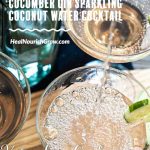


I’ve been making this cucumber gin cocktail for so long that it’s basically become a summer tradition in my house. There’s something about the combination of fresh cucumber, botanical gin, sparkling wine, and coconut water that makes it the perfect poolside drink. At just 2 net carbs per serving, it fits perfectly into a keto or low-carb lifestyle. If you love gin and cucumbers together, this recipe is going to be your new warm-weather go-to.
What makes this one different from the dozens of cucumber gin drinks you’ll find online is the coconut water base. It adds a subtle natural sweetness and a dose of electrolytes that makes this feel more refreshing than any simple cocktail has the right to be. Combined with a clean sparkling wine like Avaline, the whole thing is light, bubbly, and genuinely delicious without a drop of added sugar.
Below you’ll find the original recipe plus five variations (including an elderflower gin version, a grapefruit riff, and a classic gin rickey) so you can keep things interesting all summer long. I’ve also included a mocktail version that uses a botanical non-alcoholic gin so nobody gets left out.
Table of Contents – Click to Expand
Disclaimer: Links may contain affiliate links, which means we may get paid a commission at no additional cost to you if you purchase through this page. Read our full disclosure here.
What Gin is Best for a Cucumber Cocktail?
The gin you choose makes a real difference in a drink this simple. Since there are only a handful of ingredients, the botanical profile of the spirit comes through clearly. Here are my top picks, from my personal favorite down to solid runner-ups you can find at most liquor stores.
Hendrick’s is my top choice for this specific recipe, and for obvious reason: the botanical blend includes actual rose and cucumber along with 11 other botanicals. That profile was practically designed for a cucumber sparkling cocktail. The flavor is delicate, slightly floral, and never too juniper-forward.
Empress 1908 is worth having in your bar specifically for cucumber cocktails. It’s the stunning purple gin from Victoria, BC. The color comes from butterfly pea blossom, which reacts to citrus and shifts to a violet-pink. The flavor is bright and floral with notes of grapefruit, rose, and coriander. It makes an absolutely showstopping version of this drink and is one of the most-searched gin brands right now for good reason.
Tanqueray is the workhorse option, widely available, well-priced, and very balanced with its blend of juniper, coriander, angelica root, and licorice. If you’re making a big batch for a party and don’t want to use your nicer bottle, Tanqueray is the right call.
Plymouth is the oldest working distillery in England and produces a particularly earthy, smooth gin that’s lovely in longer drinks. It’s worth seeking out if you want something with more depth. Sipsmith brings fruity citrus notes of orange and lemon that play well with the coconut water if you want something a little brighter.
Why Gin and Cucumber Work So Well Together
Gin’s flavor comes primarily from juniper berries plus a distiller’s chosen blend of botanicals, including coriander, citrus peel, angelica root, and orris root. Botanicals are by definition herbaceous and aromatic, which means gin has a natural affinity for fresh vegetables and herbs in a way that most spirits don’t. Cucumber is cool, slightly sweet, and high in water content, so it softens the sharper edges of the alcohol and keeps everything refreshing.
There’s also a practical keto consideration here: cucumber is one of the most keto-friendly vegetables you can use in a cocktail. Research on cucumber’s phytonutrient profile highlights its cucurbitacins and flavonoids, which are compounds with antioxidant and anti-inflammatory properties, which makes it one of the more nutritionally worthwhile garnishes you can add to a drink.
The sparkling wine adds effervescence without the syrupy sweetness of most mixers. I use Avaline sparkling, which is Cameron Diaz’s clean wine brand with no added sugars, no fake colors, and made with organically farmed grapes. It keeps the carbs in check while adding a genuinely good wine flavor that elevates this way beyond a basic gin and soda.
How Many Carbs Are in Gin?
Gin has zero carbohydrates. Like most distilled spirits, the fermentation and distillation process converts all sugars to alcohol, so there’s nothing left to count toward your daily carb limit. The botanicals that flavor gin don’t contribute carbs either. They’re added as aromatics during or after distillation, not as sugars.
The carbs in any gin cocktail come almost entirely from the mixers. That’s where most cocktails go sideways. Tonic water, juice, and simple syrup can add anywhere from 10 to 40 grams of carbs per drink. In this recipe, the coconut water contributes about 9 grams per cup for the entire pitcher (8 servings), and the sparkling wine adds roughly 3 grams per serving. That’s how we land at approximately 2 net carbs per serving total. Be sure to explore more of my best keto cocktails while you’re here.
Why Coconut Water in a Cocktail?
This is the ingredient that surprises people the most. Using coconut water as the base of this cocktail instead of plain water or additional mixer does a few things: it adds a faint natural sweetness without any added sugar, it contributes a subtle tropical note that plays well with the botanicals, and it actually adds electrolytes that you’d otherwise be depleting when drinking alcohol.
Studies on coconut water’s electrolyte composition have shown it contains meaningful amounts of potassium, magnesium, and sodium, which are the same electrolytes you lose when drinking alcohol. I’m not claiming this makes the cocktail a health drink, but it does make it gentler on your body than the same amount of gin mixed with plain soda. I use Harmless Harvest when I can find it, or Vita Coco as a widely available alternative. Either works perfectly here.
The overnight cold-infusion method (letting the cucumber sit in the coconut water in the fridge) is what I recommend when you have the time. The cucumber flavor permeates every sip instead of just floating in the glass. For a quicker version, muddling the cucumber in the coconut water for five minutes works surprisingly well.
5 Gin Cocktail Variations to Try This Summer
The base recipe is perfect as written, but once you’ve made it a few times you’ll want to experiment. Here are five variations worth keeping in rotation, each with a slightly different flavor profile and all still keto-friendly.
Elderflower Gin Cocktail
This is the most elegant variation and the one I make when I want something that feels a little more special. Replace the sparkling wine with a mix of St-Germain elderflower liqueur (just an ounce or two for the whole pitcher, since it’s sweet) and club soda. St-Germain has about 10g of carbs per ounce, so use it sparingly. A little goes a long way and the floral flavor is unmistakable even in a small amount. The elderflower and cucumber combination is one of those pairings that just works, especially with Hendrick’s or Empress gin.
Grapefruit Gin Cocktail
Swap the sparkling wine for grapefruit sparkling water; a Pellegrino grapefruit or Waterloo grapefruit works beautifully. This version is slightly more tart and bitter, which cuts through the coconut water sweetness nicely. If you want a touch of extra sweetness without carbs, add a few drops of liquid monk fruit sweetener. Empress gin is exceptional in this version since the pink-purple color with the grapefruit creates a visually stunning glass.
Gin Rickey
A gin rickey is one of the best low-carb drinks you can order at a bar, and it’s even better made at home. To make the rickey version of this recipe, skip the coconut water and sparkling wine entirely: in a highball glass over ice, combine 2 oz gin, the juice of half a lime, and top with club soda. Add a few muddled cucumber slices and a lime wheel garnish. It’s bracingly simple, completely keto (zero added carbs beyond the trace lime juice), and endlessly refreshing on a hot day. This is also the easiest way to explain a keto gin order to a bartender: just say “gin rickey, no simple syrup, add cucumber if you have it.”
Mint Gin Cocktail
Add 8 to 10 fresh mint leaves to the pitcher when you add the cucumber for the overnight infusion. The mint adds a cooling menthol note that makes this feel even more summery. You can also use mint as a generous garnish, with a whole sprig standing up in the glass with a cucumber slice is a beautiful presentation. This variation works especially well if you’re using a London dry gin like Tanqueray since the sharper juniper note contrasts nicely with the mint.
Rosemary Gin Cocktail
Rosemary is an underused cocktail herb that adds a savory, piney depth to gin that feels very intentional and sophisticated. Add a sprig or two to the pitcher during the infusion. Even 30 minutes is enough. For a stronger rosemary hit, lightly bruise the sprig before adding it. This variation leans more aromatic and herbal than sweet, which makes it a great pairing with cheese boards and charcuterie if you’re entertaining.
How to Make a Cucumber Gin Mocktail
The easiest way to make a non-alcoholic version of this recipe that still tastes like a real cocktail is to use a botanical non-alcoholic gin spirit. I’ve used Ritual Zero Proof Gin Alternative since 2020 and it’s zero carbs and zero sugar, and it genuinely delivers the juniper and botanical flavor you expect from gin. Use code HNG20 for 20 percent off at checkout.
For the sparkling wine component of the mocktail, I prefer to use a citrus sparkling water (orange or lemon works best) rather than a non-alcoholic sparkling wine. The alcohol-free sparkling wines on the market tend to be sweeter and less clean-tasting than the real thing. Keep everything else in the recipe the same and you have a genuinely delicious zero-proof drink that feels festive enough for a party.
Cucumber Gin Sparkling Coconut Water Cocktail
A few equipment notes: a quality large glass pitcher makes a big difference for the overnight infusion, as the glass won’t absorb any flavors and keeps the cucumber water tasting clean. A muddler is essential for the quick version. If you want beautiful presentation, the W&P stems and coupes are my favorite glassware for summer cocktails, elegant and dishwasher safe, with 15 percent off auto-applied at checkout.
frequently asked questions
Is Gin Keto Friendly?
Yes, gin is one of the most keto-friendly spirits you can drink. Like all distilled liquors, gin contains zero carbohydrates. The fermentation and distillation process converts all sugars to alcohol, leaving nothing to track toward your daily carb intake. The only carbs in any gin cocktail come from the mixers, so sticking to low-sugar options like sparkling water, coconut water, and clean sparkling wine keeps the total count very low.
What Is the Best Gin for a Cucumber Cocktail?
Hendrick’s is the top choice specifically for cucumber cocktails because its botanical blend already includes cucumber and rose, making it a natural fit. Empress 1908 is a close second; its butterfly pea blossom gives it a stunning purple color that turns pink with citrus, and the floral flavor profile is exceptional with cucumber. Tanqueray works well if you want a classic London dry profile, and Plymouth gin’s earthy smoothness is great in longer, more refreshing drinks.
Can I Make This Recipe as a Gin Mocktail?
Absolutely. The easiest swap is Ritual Zero Proof Gin Alternative, which is zero carbs and zero sugar and delivers genuine botanical and juniper flavor. Use it in the same amount as you would regular gin. For the sparkling wine component, use citrus sparkling water (orange or lemon) rather than an alcohol-free sparkling wine, as the sparkling water keeps the drink light and dry. Everything else in the recipe stays the same.
How Many Carbs Are in a Gin and Sparkling Wine Cocktail?
This specific recipe comes in at approximately 2 net carbs per 5-ounce serving. The coconut water contributes a small amount of natural sugar spread across 8 servings, and the sparkling wine adds a trace amount of residual sugar per pour. All of the other ingredients (gin, cucumber, and ice) add zero carbs. Using a clean, low-sugar sparkling wine like Avaline keeps the carb count at the low end compared to conventional sparkling wines with added sugar.
What Can I Use Instead of Sparkling Rosé in This Recipe?
The best substitutes that keep the recipe keto-friendly are: grapefruit sparkling water for a drier and more citrus-forward version, plain club soda if you want something completely neutral, or elderflower tonic water for a floral twist. If you want to stick with a wine-based option, any clean dry sparkling white wine works well, and Avaline sparkling is my go-to. For a gin rickey variation, skip the wine entirely and just use club soda with fresh lime juice.
What Is a Gin Rickey and Is It Keto?
A gin rickey is one of the most naturally keto-friendly cocktails in existence. It’s made with gin, fresh lime juice, and club soda, with no syrup, no juice beyond a squeeze of lime, and no added sugar of any kind. At its most basic, a gin rickey is about 0 to 1 net carbs depending on how much lime you use. It’s also the easiest low-carb cocktail to order at a bar. Just ask for gin, lime, and soda and you’re there.
If you make this cucumber gin cocktail, I’d love to see it! Tag @healnourishgrow on Instagram. Check out my full list of keto-friendly cocktails and cocktail and mocktail recipes for more ideas all summer long.