
Keto Cornbread Recipe (4g Net Carbs with Almond Flour)


Growing up in the south, cornbread was on the table for nearly every meal that involved a soup, a stew or a pot of chili. My grandmother made hers in a well-seasoned cast iron skillet, and the smell of it baking still takes me back to cold weather and a full kitchen. When I started eating keto in 2017, cornbread was one of the first comfort foods I needed to figure out, because a single slice of traditional cornbread runs about 30 grams of carbs. That’s more than a full day’s worth of carbs if you’re trying to stay in ketosis.
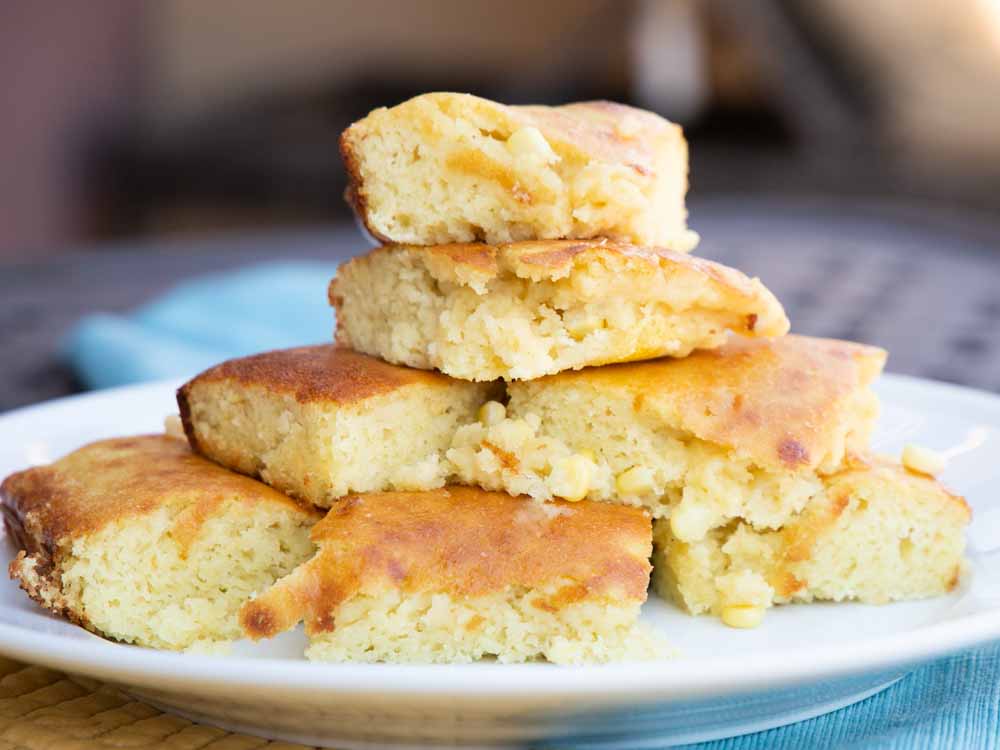
This keto cornbread recipe lands at 4 net carbs per serving (3 if you skip the optional corn kernels) and it actually tastes like cornbread. I’ve been making this version since 2022, and it’s still what I default to when I’m cooking chili or putting together a Thanksgiving menu. The trick comes down to almond flour, allulose and a small amount of sweet corn extract. I’ll walk through why each one matters, and how to handle variations like jalapeño cornbread, muffins and Thanksgiving dressing, before we get to the recipe.
Table of Contents-Click to Expand
- Does Cornbread Have Carbs? Why Traditional Cornbread Isn’t Keto
- Keto Cornbread vs. Traditional vs. Jiffy: A Comparison
- The Substitutions That Make Keto Cornbread Work
- Best Pan for Keto Cornbread (Cast Iron, Square or Muffin)
- Keto Cornbread Recipe
- Keto Cornbread Variations (Jalapeño, Mexican, Muffins, Southern)
- Keto Cornbread Dressing for Thanksgiving
- Storage and Make-Ahead Tips
- Related Keto Recipes
- Frequently Asked Questions
Quick Recipe Snapshot
- Net carbs per slice: 4g (3g without corn kernels)
- Total time: 27 minutes
- Yield: 9 servings, 8×8 pan
- Style: Slightly sweet, cast iron-friendly, freezer-friendly
- Best with: Chili, soup, BBQ or Thanksgiving dressing
Disclaimer: Links may contain affiliate links, which means we may get paid a commission at no additional cost to you if you purchase through this page. Read our full disclosure here.
Does Cornbread Have Carbs? Why Traditional Cornbread Isn’t Keto
Yes, traditional cornbread has a lot of carbs. According to USDA nutrition data, a 65-gram slice of homemade cornbread contains roughly 28 grams of carbohydrates and only about 1.5 grams of fiber. A slice from a Jiffy-style boxed mix runs around 18 grams of carbs per ounce, plus added sugar to hit that sweet northern style flavor. Most boxed mixes also include refined wheat flour and palm oil, which doesn’t help if you care about ingredient quality.
For a typical keto goal of 20 to 25 grams of net carbs per day, one slice of traditional cornbread eats most or all of your daily allowance. Add a bowl of chili (which has its own carbs from beans and tomatoes) and you’re well over for the day. This is why a real keto-friendly version isn’t optional if you want cornbread on a regular basis.
The other issue is that cornmeal itself is essentially dried, ground corn, which is a starchy vegetable when fresh and a grain when fully matured and dried. Most corn produced in the United States is also genetically modified and treated with glyphosate, which is one of the reasons I don’t eat much of it even on the rare occasions when I’m not eating low carb. If you’d like to dive into the keto basics, my complete guide to the ketogenic diet goes deeper on why grain replacement matters for ketosis.
Keto Cornbread vs. Traditional vs. Jiffy: A Comparison
Here’s how the three versions compare per slice. I included Jiffy because it’s the most common boxed mix in American kitchens and it’s what most readers are mentally comparing this recipe to.
| Version | Total Carbs | Net Carbs | Protein | Calories |
|---|---|---|---|---|
| Traditional homemade cornbread | ~28g | ~26g | ~5g | ~187 |
| Jiffy boxed mix (per 1 oz) | ~18g | ~17g | ~2g | ~94 |
| This keto cornbread recipe | 7g | 4g | 8g | 238 |
The keto version is higher in calories and fat than the traditional or boxed versions, which is exactly what you want from a keto baked good. Fat is what makes it satisfying, keeps the texture moist and replaces the calorie load that would otherwise come from carbs. The protein number (8g per slice) is also notably higher than either alternative, which makes this a more useful side dish if you’re tracking macros.
The Substitutions That Make Keto Cornbread Work
Almond Flour
Almond flour replaces both the cornmeal and the wheat flour from a traditional recipe. For this cornbread, look for a regular ground almond flour rather than one labeled “super fine” or “extra fine,” because the slightly coarser texture mimics cornmeal much better. Super fine almond flour gives a more cake-like result that doesn’t read as cornbread.
Almond flour is naturally gluten-free, lower in carbs than any wheat-based option and adds a meaningful amount of protein. The brand doesn’t make a huge difference here as long as you’re getting plain blanched almond flour without added ingredients.
Allulose
Allulose is my preferred sweetener for keto baking and especially for cornbread. It mimics the natural light sweetness that cornmeal has on its own, browns like real sugar (most other keto sweeteners don’t) and keeps the bread moister than erythritol or stevia would. According to a 2018 study published in Nutrients, allulose has minimal effect on blood glucose and insulin response, which makes it a solid choice for anyone managing metabolic health.
Monk fruit and erythritol blends will work too if that’s what you have on hand, but if you’re going to invest in one keto sweetener, allulose is what I’d buy. It’s a chameleon that handles baking, cocktails and sauces equally well.
Sweet Corn Extract
This is the ingredient that takes this from “almond flour bread” to actually tasting like cornbread. You won’t find sweet corn extract at most grocery stores, but multiple brands are easy to order online. A small bottle costs around $20 but lasts a long time since you only use a couple of teaspoons per recipe.
I know that sounds steep for a single ingredient, but I tested this recipe with and without it many times and the corn extract really does carry the cornbread flavor. If you only ever use it for this one recipe, the bottle will last you years.
Optional: A Few Real Corn Kernels
The optional addition of ⅓ cup of real corn kernels adds about 1 net carb per slice but gives a noticeable burst of real corn flavor in some bites. I usually do this when I’m making it for a non-keto crowd, because the kernels make the cornbread feel less like a substitute and more like the real thing. If you’re trying to hit the lowest possible carb count, leave them out and you’ll be at 3 net carbs per slice instead of 4.
Best Pan for Keto Cornbread (Cast Iron, Square or Muffin)
Three options work well for this recipe and the choice mostly comes down to presentation and what you have on hand.
Cast iron skillet: Gives the most authentic crust and that beautiful golden brown edge. Preheat the skillet in the oven for 5 minutes before adding the batter, and the bottom will sear for an extra crispy texture. This is how it was made in my grandmother’s kitchen and it’s what I use for company.
8×8 square baking pan: What I use most often because it’s easier and gives consistent results. Grease it well with butter and you’ll get clean square slices that are great for chili night or weekday meal prep.
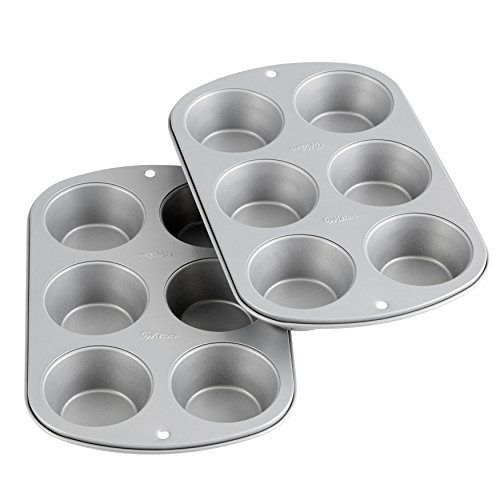
Muffin tin: Best for individual portions and freezing. Reduce the bake time to about 15 minutes and check for doneness with a toothpick. Muffins are also the easiest option if you want to grab one as a quick side without slicing.
If you’re substituting a different size pan, keep a close eye on the cornbread to avoid overcooking. Almond flour baked goods can dry out quickly. There’s a useful baking pan conversion chart at Joy of Baking if you need to recalculate.
Keto Cornbread Recipe
The full recipe card with ingredient amounts, instructions, equipment links and nutrition information is below. Print, save or jump straight to the variations after.
Keto Cornbread – Low Carb Recipe
Ingredients
- 2 cups almond flour
- 2 teaspoons baking powder
- ¼ cup allulose, or monk fruit
- ⅓ cup butter, melted, plus extra for baking dish
- ½ teaspoon salt
- 4 large eggs
- ⅓ cup water
- 2 tablespoons corn flavoring
- ⅓ cup corn kernels, optional, adds 1 carb per serving

Instructions
- Preheat oven to 350°F.
- In a medium mixing bowl, combine the almond flour, baking powder and allulose and stir to combine.
- Add in the butter, salt, eggs, whisking eggs in the bowl.
- Pour in the water and stir to combine all ingredients thoroughly.
- Pour in the corn flavoring and stir.
- If using, add the corn kernels and stir.
- Pour the batter in to a greased 8" square baking pan.
- Bake for 20 minutes or until bread is golden brown and a toothpick inserted in the center comes out clean.
- Remove from the oven and allow the bread to cool in the pan for 10 minutes before cutting.
Video

Nutrition
Did you make this recipe?
Be sure to tag @healnourishgrow on Instagram to be featured in our stories or our newsletter! We love it when you make our recipes and share with your friends. Please leave a rating on the recipe card above if you have a minute. It’s the single most helpful thing you can do to help other readers find recipes that actually work.
Keto Cornbread Variations (Jalapeño, Mexican, Muffins, Southern)
Once you have the base recipe down, the variations are easy. Each of these uses the same base batter with small tweaks.
Keto Jalapeño Cheddar Cornbread
Add 1 chopped jalapeño (seeds and ribs removed unless you want serious heat) and ½ cup shredded sharp cheddar to the batter. This is my husband’s favorite version and it pairs beautifully with chili. Net carbs go up by less than half a gram per slice.
Keto Mexican Cornbread
Same jalapeño cheddar base, plus 1 teaspoon of cumin and a small can of diced green chiles, drained well. Excellent with taco meat or as a base for a low carb tamale-style casserole.
Sweet Northern Style Cornbread
If you grew up with sweetened cornbread (which is technically northern despite often being labeled “southern”), bump the allulose up to ⅓ cup and add 1 teaspoon of vanilla extract. This is the version most close to what you’d get from a Jiffy mix.
Savory Pure Southern Cornbread
Skip the sweetener entirely and add ½ teaspoon more salt. This is what old-school southern cooks would have made and it’s what my grandmother served. It pairs better with savory dishes like chili, collard greens or barbecue.
Keto Cornbread Muffins
Pour the batter into a greased or paper-lined 9-cup muffin tin. Bake at 350°F for 15 to 18 minutes, checking with a toothpick for doneness. Muffins freeze better than slices and are easier to grab for meal prep. Each muffin runs about the same 4 net carbs as a slice from the square pan version.
Keto Cornbread Dressing for Thanksgiving
If you want to use this for keto cornbread dressing on Thanksgiving, here’s the trick that saves you from a soggy result. Bake the cornbread one or two days ahead, let it cool completely, then cube it and leave it on a sheet pan at room temperature overnight to dry. The drying step is what keeps your dressing from turning into mush. Fresh, moist cornbread will fall apart when you mix in broth.
Once dried, use the cubes as the base for any standard cornbread dressing recipe. For a keto version, sub in bone broth instead of standard chicken broth (lower sodium, higher protein), add diced celery and onion sautéed in butter, plenty of fresh sage and thyme, two beaten eggs to bind, and bake covered at 350°F for about 35 minutes. This pairs really well with my keto turkey brine and keto gravy.
If you want a non-cornbread bread-based stuffing instead, my sausage and oyster keto stuffing uses Sola bread cubes and is another classic Thanksgiving option.
Storage and Make-Ahead Tips
This cornbread keeps well, which is one of the reasons I make it for entertaining. At room temperature, well-covered, it stays fresh for 2 to 3 days. In the fridge it will last a week. I usually warm slices in the toaster oven for 2 minutes to refresh them before serving.
For longer storage, slice it, wrap each piece in plastic, then bag in a freezer-safe bag. It will keep for 3 months and thaws in about 30 minutes at room temperature or 30 seconds in the microwave. Muffins freeze even better than slices because they don’t dry out at the edges.
For Thanksgiving I usually bake mine 2 to 3 days ahead, then either cube and dry it for dressing or keep it whole and reheat covered with foil at 300°F for 15 minutes before serving. Making it ahead is one of the small ways I’ve learned to actually enjoy hosting instead of being stuck in the kitchen all morning.
Related Keto Recipes
If you’re building a keto Thanksgiving menu or just looking for what to pair with this cornbread, these are the recipes I serve alongside it most often:
- Keto Turkey Brine and Rub
- Sausage and Oyster Keto Stuffing
- Keto Cranberry Sauce
- Keto Gravy
- Keto Green Bean Casserole
- Keto Mashed Cauliflower
- Keto Pumpkin Pie
- Keto Baking Tips
Frequently Asked Questions
Is regular cornbread keto?
No. Traditional cornbread has roughly 28 grams of carbs per slice and Jiffy mix has around 17 to 18 grams per ounce, both of which are far too high for keto. Cornmeal and wheat flour are the main culprits. To make cornbread keto-friendly, you need to swap both for almond flour and replace the sugar with a keto sweetener like allulose.
How many net carbs are in this keto cornbread?
Each slice (1/9 of an 8×8 pan) has 4 grams of net carbs, or 3 grams if you skip the optional corn kernels. Total carbs are 7 grams and fiber is 3 grams.
Can I make this keto cornbread without corn extract?
Yes, the recipe still works without it but it won’t taste as much like real cornbread. Without the corn extract, you essentially have a slightly sweet almond flour bread. If you don’t want to buy the extract, the optional corn kernels add real corn flavor in a more natural way (at the cost of one extra carb per slice).
Can I substitute coconut flour for almond flour in this recipe?
Not directly. Coconut flour absorbs significantly more liquid than almond flour and behaves very differently in baking. If you want a coconut flour version, you’d need to use roughly one-third the amount and increase the eggs and liquid. The texture will also be drier and more cake-like, less like real cornbread. I recommend sticking with almond flour for this specific recipe.
Can I make this keto cornbread dairy free?
Yes. Replace the butter with melted refined coconut oil at a 1:1 ratio. The flavor will shift slightly toward coconut but the texture holds up well. Skip dairy add-ins like cheese in the variations.
Can I freeze keto cornbread?
Yes, this cornbread freezes very well. Slice it, wrap each piece in plastic wrap, then bag in a freezer-safe bag. It will keep for 3 months. Thaw at room temperature for 30 minutes or in the microwave for about 30 seconds. Muffins freeze even better because they don’t dry out at the edges.
What’s the difference between keto cornbread and low carb cornbread?
In practice, very little. Both terms refer to cornbread made without traditional cornmeal and wheat flour. “Keto” usually implies under 5 net carbs per serving and uses keto-specific sweeteners like allulose or monk fruit. “Low carb” is a broader term that might include versions with a small amount of cornmeal or higher net carb counts. This recipe qualifies as both.
Is corn a grain or a vegetable?
Both, depending on when it’s harvested. When corn is picked young and the kernels are soft and full of liquid, it’s classified as a starchy vegetable. When it’s left to fully mature and dry on the cob, it becomes a grain (the dried kernels are what’s ground into cornmeal). For keto purposes, both forms are too high in carbs to fit comfortably. A single cup of fresh corn kernels has about 32 grams of carbs.
How do I make keto cornbread muffins from this recipe?
Pour the same batter into a greased or paper-lined 9-cup muffin tin. Bake at 350°F for 15 to 18 minutes instead of the 20 minutes called for in the square pan version. Check doneness with a toothpick. Each muffin has the same 4 net carbs as a slice.
Can I use this keto cornbread for Thanksgiving dressing?
Yes, and it makes excellent dressing. Bake the cornbread one or two days ahead, then cube it and leave it out overnight on a sheet pan to dry. The drying step is essential because moist cornbread falls apart when mixed with broth. Once dried, use the cubes in any standard cornbread dressing recipe with bone broth, sautéed celery and onion, fresh herbs and beaten eggs to bind.