Fitbit
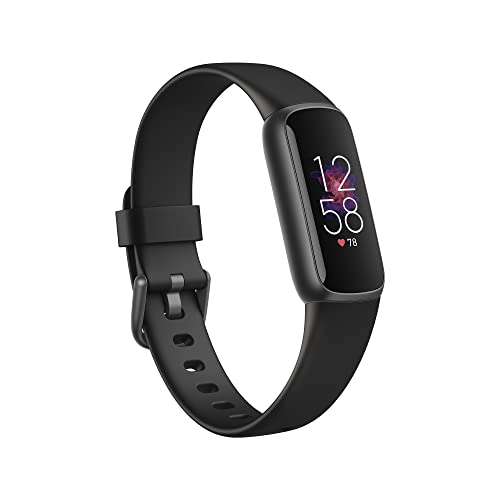
Fitbit Luxe Fitness and Wellness Tracker with Stress Management, Sleep Tracking and 24/7 Heart Rate, Black/Graphite, One Size (S & L Bands Included) (Renewed)
$54.99 70% below reference price
Check current price


If you are searching for the best fitness watch for women, you are probably trying to solve something more meaningful than counting steps. You may be looking to improve recovery, track sleep more accurately, support real strength training progress, understand stress and HRV trends, and make smarter training decisions.
Most “best fitness watch” lists are written for runners chasing pace metrics or people focused on calorie burn. This guide is written specifically for women who train consistently, especially women 35 and older who are lifting weights, trying to better manage stress, and thinking long term about muscle retention and metabolic health.
One important note: when women search for the best fitness watch for women, they are often really looking for the best wearable fitness tracker. That may include traditional watches, screen-free recovery bands, and smart rings. Each category serves a different purpose.
I train five days per week and have personally tested many of these devices during structured lifting cycles, travel weeks, high stress phases, and heavier strength training volume blocks. I have worn Oura continuously since 2023 as a long-term HRV and sleep baseline. I have tested Hume alongside it during strength-focused phases and compared those results to Whoop and Apple Watch environments. Over time, one thing becomes clear: the best fitness watch for women is not the one with the most features. It is the one that aligns with your physiology, stress load, and training style.
If you want to jump straight to the device comparisons, see the full breakdown below.
If you are specifically deciding between Whoop and Hume, read my full comparison before you buy: Hume vs Whoop. If you want the deeper product review, start here: Hume Health Review.
| Goal | Best Device |
|---|---|
| Strength training | Hume |
| Structured coaching | Whoop |
| Sleep tracking | Oura |
| No subscription sleep tracking | Circular |
No consumer wearable provides perfect sleep stage accuracy. What matters more is consistent trend direction over time. Most of these devices are water resistant for sweat and showering, but always verify swim depth ratings if pool tracking matters to you.
Several validation studies comparing consumer wearables have found that devices like Oura and others show reasonable accuracy for sleep duration and heart rate trends, even if sleep stage precision varies.
Disclaimer: Links may contain affiliate links, which means we may get paid a commission at no additional cost to you if you purchase through this page. Read our full disclosure here.
The best fitness watch for women depends on your primary goal. Women focused on strength training and recovery often benefit from wearables that emphasize HRV, sleep consistency, and recovery trends rather than step counts or calorie tracking.
Deals checked 10/25/2026 9:02 AM ET. Prices and availability can change at any time.


CERTAIN CONTENT THAT APPEARS ON THIS SITE COMES FROM AMAZON. THIS CONTENT IS PROVIDED “AS IS” AND IS SUBJECT TO CHANGE OR REMOVAL AT ANY TIME.
The wearable space changes quickly. In 2026, the biggest difference between devices is not step counting or calorie burn. It is how clearly they present recovery trends, sleep consistency, and stress load. For women over 35, especially those navigating hormonal shifts, higher life stress, or heavier strength training volume, trend clarity matters more than daily score gamification.
This guide prioritizes devices that support long-term training sustainability, not short-term data spikes.
This guide is not written primarily for marathon runners or triathletes chasing pace metrics. If your main goal is endurance race performance and GPS training plans, Garmin may be your strongest fit. This article focuses on recovery, strength training, and metabolic health.
Before you choose, it helps to define the three main wearable categories:
Best for: all-in-one use, notifications, and traditional smartwatch features. Examples include Apple Watch and Garmin.
Best for: recovery trends, HRV, and training support. Examples include Whoop and Hume.
Best for: sleep tracking, readiness, and discreet wearability. Examples include Oura, Circular, Ultrahuman, and Bond.
Many women searching for the best fitness watch for women are actually trying to improve sleep and recovery. In those cases, a band or ring can outperform a traditional watch.
For women with smaller wrists, large smartwatch faces can feel bulky. Bands and rings tend to feel lighter and less intrusive during sleep. If overnight comfort is a priority, ring-based trackers often outperform traditional watches.
| Device | Type | Best for | Subscription | Strength focus |
|---|---|---|---|---|
| Whoop | Band | Structured coaching | Yes | High |
| Hume | Band | Calm recovery trends | Optional | High |
| Oura | Ring | Sleep and readiness | Yes | Moderate |
| Ultrahuman | Ring | Metabolic and recovery | No required | Moderate |
| Circular | Ring | Lightweight recovery | Optional tiers | Moderate |
| Bond | Ring | Lifestyle and recovery | No required | Moderate |
| Apple Watch | Watch | All-in-one | No | Moderate |
| Garmin | Watch | Endurance | No | Moderate |
If your main goal is strength training recovery, a band like Hume or Whoop usually provides more useful insights than a traditional smartwatch. If your priority is sleep quality and readiness tracking, a smart ring like Oura or Circular is often more comfortable for overnight wear.
I am not reviewing these as a tech journalist. I am reviewing them as a woman who trains five days per week and structures lifting cycles intentionally. I have worn these devices during:
During one hypertrophy cycle last year, I noticed HRV trending downward across multiple devices despite consistent sleep duration. That early signal prompted me to reduce training volume for one week. HRV stabilized, soreness improved, and performance rebounded. That type of trend awareness is why I value recovery tracking more than calorie counting.
Consumer wearables are not medical devices, but consistent trend alignment across weeks is far more useful than single-night sleep stage accuracy.
Best for: women who lift and want calm recovery trends without daily performance pressure. If you want to explore Hume, start here: Hume Band. For the full breakdown against Whoop, read: Hume vs Whoop. For my long-term review of the Hume Body Pod I use alongside the Hume Band, read: Hume Health Review.
Training five days per week, I care less about calorie burn and more about whether my body is adapting or accumulating stress. Hume is one of the best options for showing recovery trends clearly through HRV and resting heart rate patterns. It also helps highlight when sleep consistency is slipping before you feel it in performance.
Many women searching for the best fitness watch for women are also concerned about fit on smaller wrists. My wrist is on the smaller side and I’ve had no issue with the Hume band.
Best for: women who want structured coaching, strain scoring, and accountability metrics.
Whoop is built around strain and recovery scoring. It can be highly motivating for women who want clear feedback loops. If you like knowing when to push, when to pull back, and how behaviors like alcohol or late nights affect recovery, Whoop does a great job making that obvious.
Some women find daily recovery percentages mentally heavy during high stress seasons or hormonal fluctuations. The required membership model also matters. That is why I recommend reading my side-by-side analysis first: Hume vs Whoop.

If your real search intent is “best Whoop alternative,” here is the practical breakdown:
If you are currently on the fence between Whoop and Hume, don’t skip the full comparison: Hume vs Whoop.
Best for: women who want the strongest sleep-first wearable and a discreet form factor. I have worn Oura continuously since 2023.
One of the most interesting insights I noticed after wearing Oura continuously since 2023 was how quickly travel disrupted HRV. Even when I slept the same number of hours, HRV often dropped 15–20% after long flights or schedule shifts. Seeing that pattern repeatedly helped me prioritize sleep timing consistency rather than just sleep duration.
Oura has become one of the most widely studied consumer wearables in sleep and HRV research.
Over years of wear, Oura has been invaluable for showing:
Best for: women who want recovery and metabolic context without a required subscription. Ultrahuman is often considered by users comparing smart ring alternatives to Oura.
Availability note: As of March 2026, Ultrahuman availability may be limited in the U.S. Always check current shipping and support availability before purchasing.

Best for: women who want a lightweight smart ring option with recovery and readiness tracking without a subscription. Learn more here: Circular
For women who like Oura’s sleep insights but do not want a recurring membership, Circular offers a similar overnight recovery focus without ongoing fees. For that reason, Circular is likely to be my next wearable purchase because it offers similar recovery insights without the ongoing subscription.
For women who want ring-style recovery tracking but dislike monthly subscriptions, Circular is one of the most compelling alternatives emerging in this space.
Best for: women who want a simple, lifestyle-forward ring without a required subscription. Bond Ring is a newer entry into the space. I actually reserved one as a founding member when I first learned about it. Bond is a lifestyle-focused recovery ring with eight breakthrough features. Learn more here: Bond Ring.
Best for: women who want an all-in-one smartwatch with lifestyle integration. Great if you want notifications, safety features, and a large app ecosystem.

Best for: women who run or train for endurance events and want strong GPS and training load metrics. I used a Garmin for years back in the days when I was logging 30 miles a week and was always happy with their technology. Explore options here: Garmin.
If cost is a primary factor, consider both upfront price and subscription fees. A lower upfront cost with a required membership can become more expensive over time.
Always calculate total annual cost before committing to a device.
For many women over 35, recovery becomes less predictable. Hormonal fluctuations, higher life stress, and heavier training loads can all influence HRV and sleep patterns. Devices that emphasize weekly and monthly trend clarity often feel more supportive than devices focused on daily performance scoring.
Recovery variability often increases during perimenopause. Devices that show weekly trend direction rather than daily ‘scores’ can feel more supportive. Sleep tracking trends can also help explain weight loss plateaus. Higher protein intake can also support recovery.
In my own training, week-to-week variability matters more than single-day data points. Choosing a device that aligns with that reality makes long-term consistency easier. Maintaining adequate protein intake is also an important tool for recovery.
If you lift three or more days per week and prioritize muscle retention and recovery, recovery clarity matters more than calorie tracking.
If you are torn between Whoop and Hume, I strongly recommend starting with the direct comparison: Hume vs Whoop. If you want to learn about the Hume Body Pod and why I use it alongside the band for body composition insights, read: Hume Health Review.
Choosing the best fitness watch for women ultimately comes down to your training style, recovery priorities, and whether you prefer a watch, band, or ring form factor.
The best fitness watch for women depends on your primary goal. If you want structured coaching, Whoop is strong. If you want calm recovery trends for strength training, Hume is a great fit. If you want sleep-first readiness tracking, Oura stands out. If you want an all-in-one smartwatch, Apple Watch is the most versatile.
For many women over 40, recovery-first wearables tend to be more useful than step-focused devices. Bands like Hume or Whoop can help with recovery and stress trends. Rings like Oura can be excellent for sleep consistency and HRV trends.
Whoop can be worth it for lifters who want structured feedback and accountability metrics. If daily recovery scoring feels stressful or you prefer calmer trend tracking, Hume may be a better fit. Reading a direct comparison before buying is helpful: Hume vs Whoop.
Smart rings can be excellent for sleep and readiness trends, especially because they are comfortable for overnight wear. They are usually less useful for tracking strength training sessions and workout-specific metrics than bands or watches.
Some wearables require subscriptions for full insights. Whoop uses a membership model, and Oura uses a membership for full features. Other options may not require a subscription, including some ring and watch ecosystems. Always factor in total annual cost when choosing.